
Empowering Learning and Development with Research & Design
Developmental Cognitive Research + Learning Design
Developmental Psychology|Cognitive Neuroscience|Learning Science
Interactive Technology|AI Conversational Agents|Arts & Mental Health

(Navigate to “About” to learn more about me!)

My journey as a researcher and designer centers on a core question: How do curiosity, attention, and predictive processes shape the way we learn and make sense of the world?
Across my work—from examining neural markers of feedback anticipation in children, to studying how sleep, stress, and cognitive states influence memory and exploration, to testing learning technologies that support diverse learners—I investigate the mechanisms that drive human learning and behavior.
I aim to understand not only what people think or do, but why, and how these insights can translate into tools and environments that meaningfully improve learning.
LEARNING EXPERIENCE DESIGN

As an Online Learning Designer/Fellow at Harvard, I design learning experiences across the Online Ed.M. programs. My work includes course design, AI-enhanced learning tools, and faculty engagement. I collaborate with instructors to create accessible course structures, interactive materials, and data-informed improvements that support diverse learners. I also design and test AI chatbots that strengthen feedback, reflection, and student support at scale. Through faculty workshops and collaborative projects, I help educators integrate technologies in ways that are practical, inclusive, and grounded in learning science.
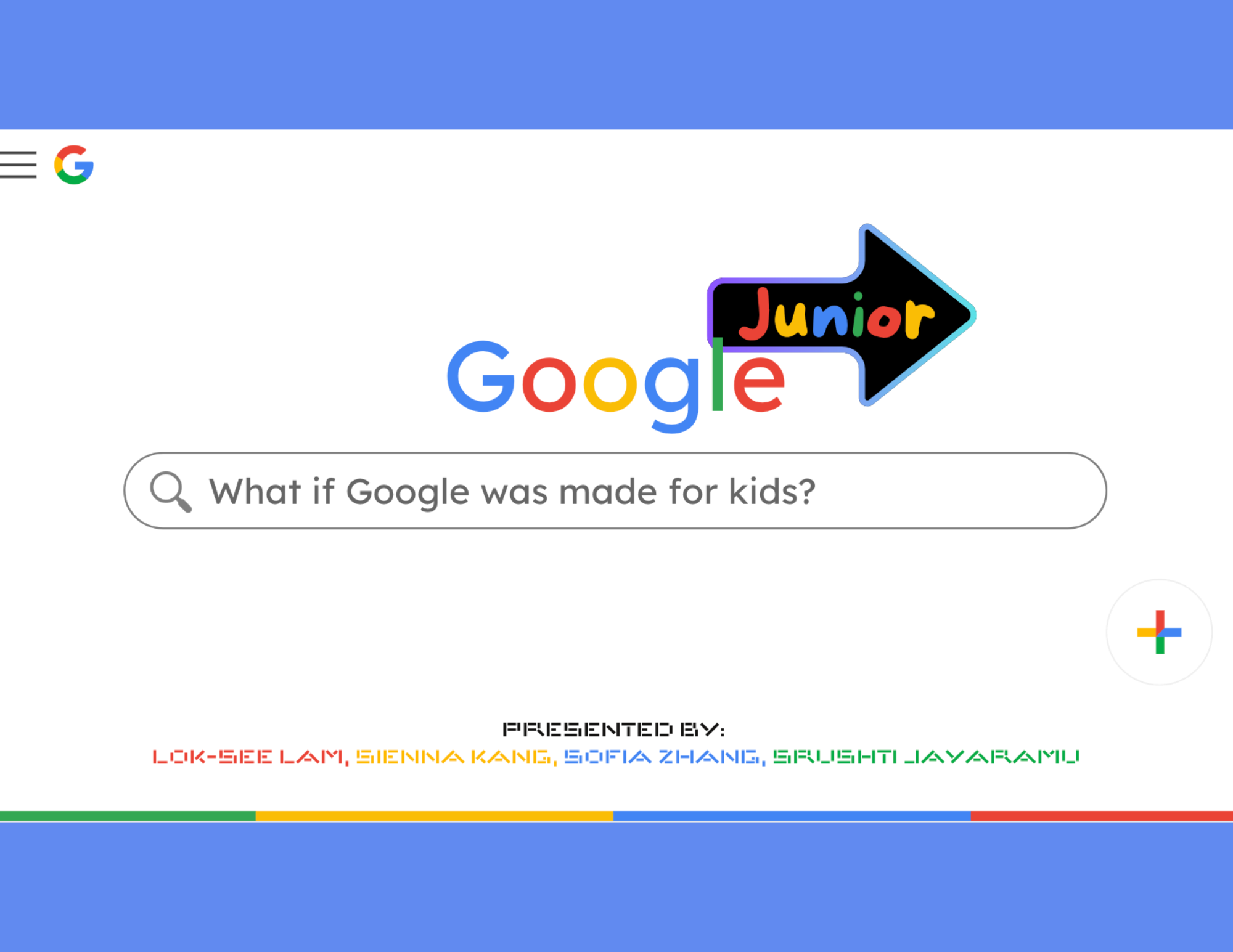
This project aims to develop a search engine designed specifically for children, balancing safety, entertainment, and educational value. By conducting user research, creating user personas, and iterating on design ideas based on expert feedback, we designed a playful and intuitive search experience that allows young users to explore their curiosity while navigating the internet safely.
High school students often feel unprepared for life after graduation. Through this 18-week elective curriculum, I led the design of an engaging, student-centered program that bridges this gap. By combining user research, hands-on activities, as well as UDL and inclusive learning strategies, we help prepare students to pursue their interests after graduating high school.
CREATIVE LEARNING PROGRAMS
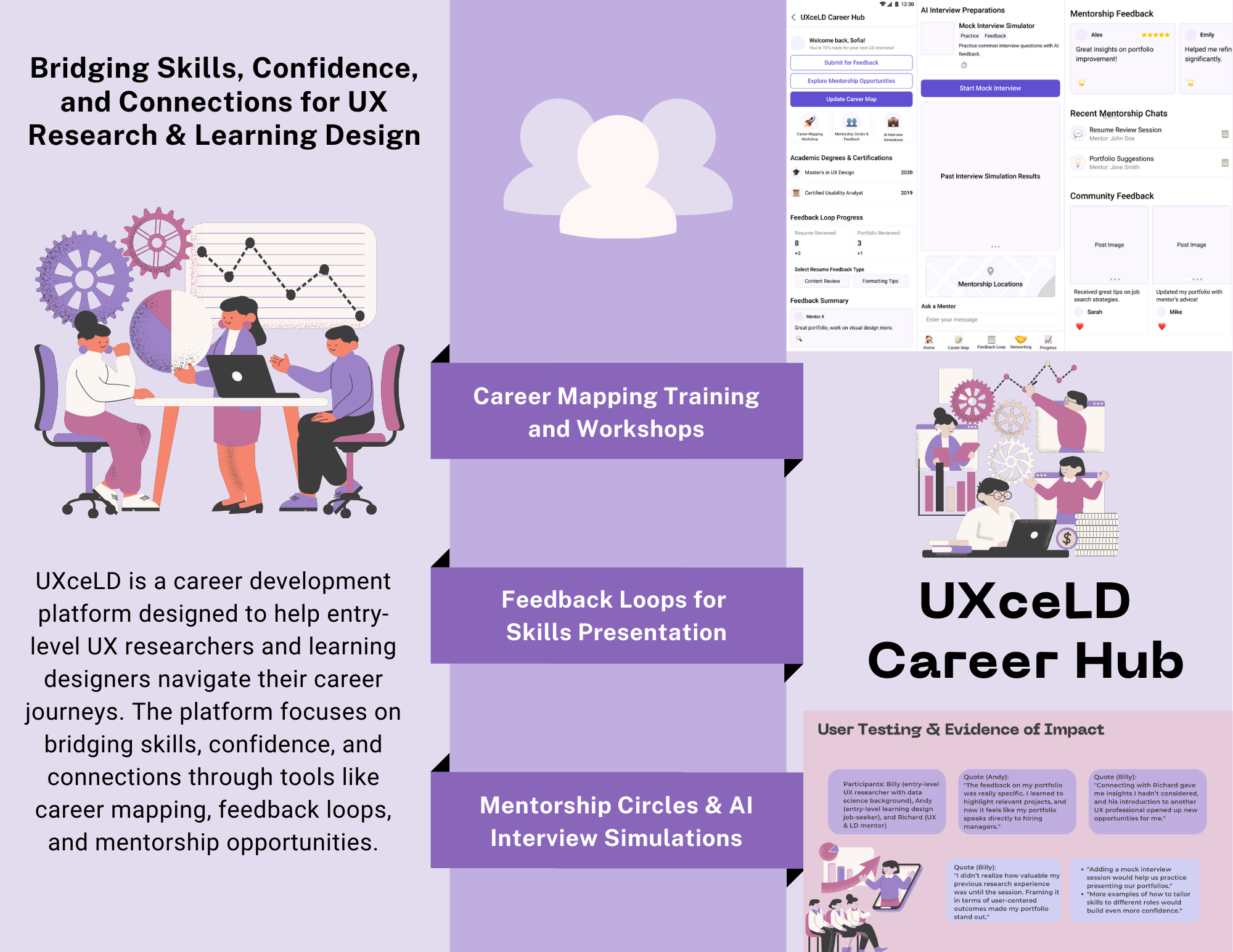
UXceLD is an innovative career development platform designed to empower entry-level job seekers in UX research and learning design. Through interactive career mapping, feedback loops, and personalized mentorship, the program helps users refine skills and build networks to navigate their career journey.
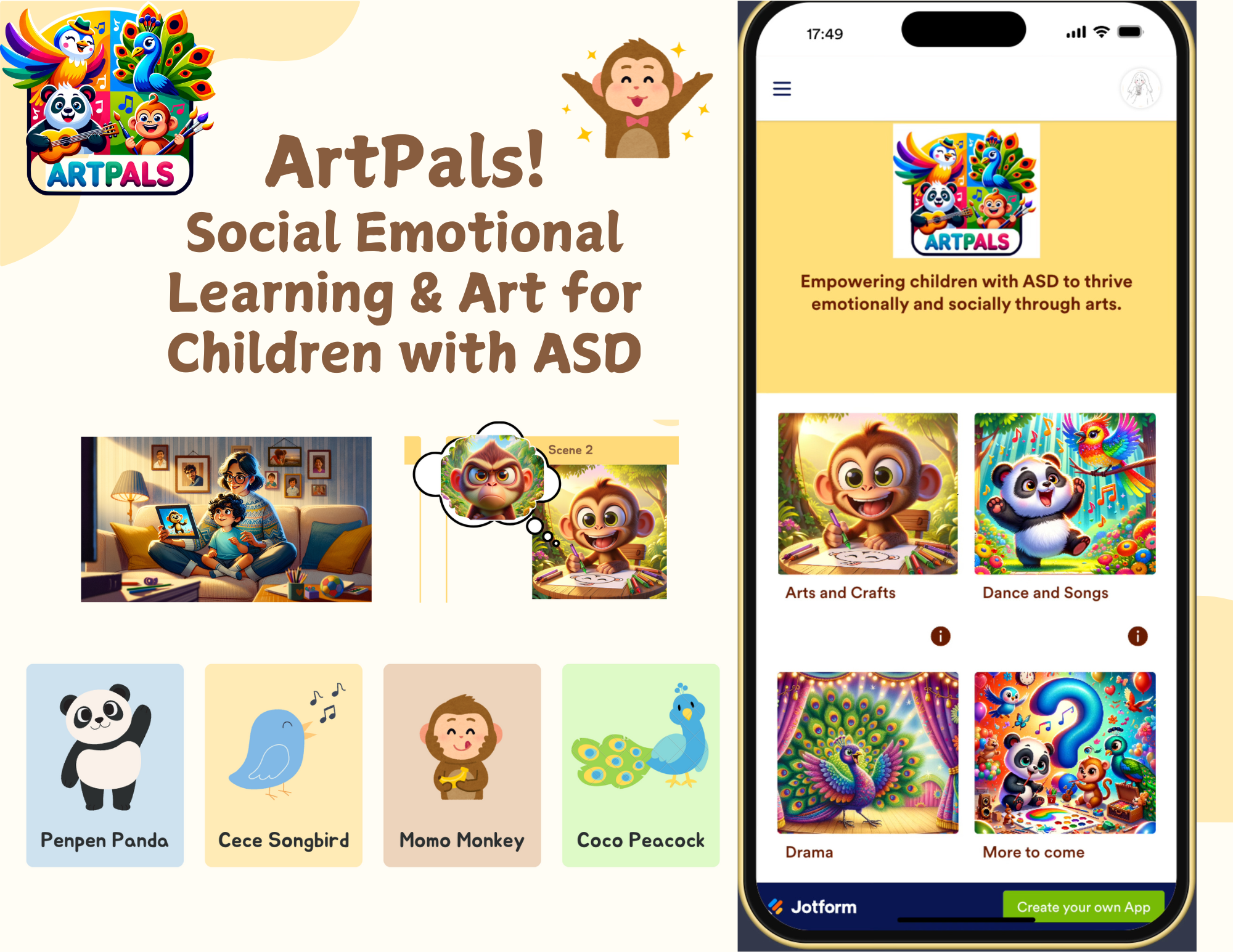
Integrating music, dance, drama, and arts & crafts, the program fosters emotional regulation, social interaction, and parent-child engagement. Developed as a free touch-screen app, ArtPals offers engaging activities tailored to children aged 2-5, empowering them to explore emotions, build relationships, and express themselves in a playful and meaningful way.

Psychartistry Lab is a STEAM curriculum that combines neuroscience, psychology, and the arts to inspire cognitive, emotional, and social growth in young learners. This program engages learners through fun and hands-on activities, such as painting, music, and improvisation, to explore how their brains work and fosters creativity, growth mindsets, and resilience.
Equity and Inclusion
“The truth is that the dominants do not really know what the experiences of the subordinates are… Dominant worldview has saturated the culture for all to learn” (Tatum, 2000). Education and learning systems often reflect dominant cultural perspectives, marginalizing underrepresented voices. This imbalance perpetuates a singular worldview that overlooks the experiences, histories, and ways of knowing held by many communities. I want to challenge this by designing learning environments that are equitable, inclusive, and representative of all learners.
My commitment to equity is deeply shaped by my own journey growing up between Eastern and Western worldviews. I started practicing Tai Chi as a toddler with my grandparents, learning to pay attention to balance between structure and flexibility, self and community, predictability and novelty. This embodied philosophy contrasts sharply with the rigid, exam-driven systems I encountered in Chinese school systems. Moving between these ways of learning helped me recognize how cultural assumptions shape not only what counts as “knowledge,” but whose ways of being are legitimized in classrooms, labs, and institutions.
Inspired by Design Justice (Costanza-Chock, 2020), I strive to ensure that my research and design center diverse perspectives, especially those historically excluded from learning systems. Whether I am conducting developmental research, designing learning technologies, or collaborating with educators, my goal is to build environments where marginalized learners are not only included but genuinely empowered. I aim to cultivate curiosity, empathy, and cognitive flexibility by integrating cultural diversity with cognitive neuroscience and developmental psychology. Guided by both Eastern philosophies from my Tai Chi upbringing and Western learning science, I believe that when we honor multiple ways of knowing, we can create spaces where all learners can flourish.
Innovating with Technology
In today’s world, we are beginning to see how AI and technology-supported learning tools can close long-standing gaps in education—gaps in feedback, pacing, accessibility, and individualized support that traditional classrooms alone cannot meet. As a developmental psychology researcher and learning designer, I see my role as a bridge-builder: someone who brings emerging technologies into alignment with how people actually learn, grow, and make sense of their experiences.
My work is grounded in hands-on experience designing and testing AI agents for feedback and reflection, supporting course design across Harvard’s Online Ed.M. programs, and teaching Harvard faculty and students how to evaluate and work with AI tools. I have built and evaluated VR-based learning tasks, designed curiosity-driven environments in Minecraft, and incorporated physiological tools, such as EEG, the Oura Ring, and the Dreem headband, into research examining attention, learning, and memory. Through projects like the STORIES language-learning platform and faculty AI workshops at the Harvard Teaching and Learning Lab, I collaborate with learners, educators, and researchers to integrate technology in ways that feel practical, inclusive, and grounded in learning science.
By connecting technology with the people it’s meant to serve, my goal is to create tools that are not only innovative but genuinely responsive to the diverse needs of learners and research participants. My approach integrates cognitive neuroscience with human-centered design to ensure that technology becomes a catalyst for deeper engagement, curiosity, and meaningful learning outcomes. At the core of my work is a simple belief: effective solutions begin with listening—understanding users’ challenges, honoring their perspectives, and designing pathways that empower them to thrive in a rapidly evolving world.